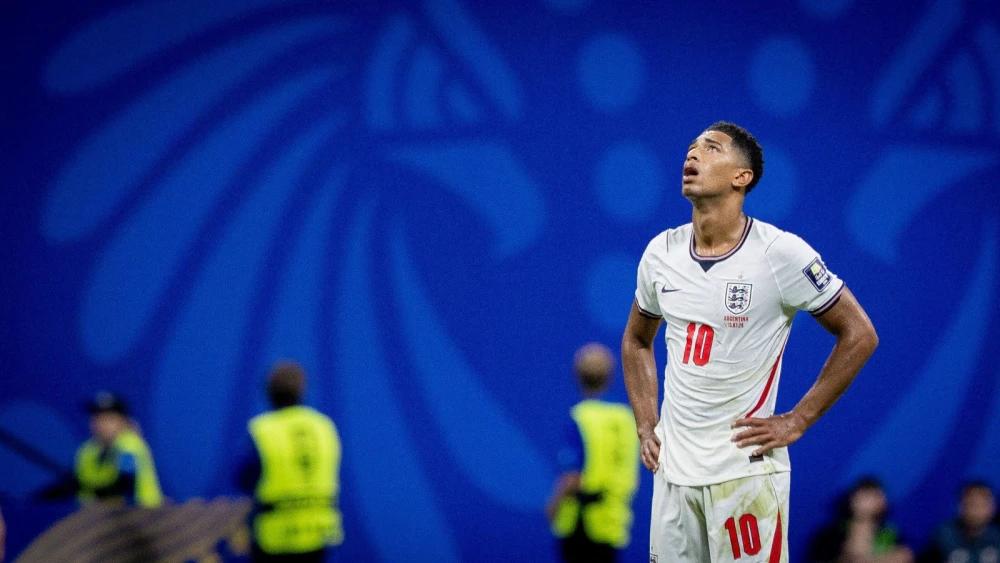
Despite taking the lead through Anthony Gordon, England's defense-minded approach backfired in the closing minutes, as late goals resulted in another devastating tournament exit.
The recurring failure to get over the line in critical matches is driven by a combination of tactical shortcomings, momentum shifts, and immense pressure.
Tactical conservatism and sub-par substitutions
In their clash against Argentina in Atlanta, England took control when Anthony Gordon scored in the 55th minute. However, following the opener, Thomas Tuchel's side retreated into a low defensive block, surrendering approximately 88 percent of possession. Instead of continuing to press for a second goal, England absorbed mounting pressure, which allowed Argentina to camp outside their penalty area and eventually break through.
The psychological burden
With each passing decade, the weight of history - often referred to as "60 years of hurt" since the 1966 World Cup win - adds an immeasurable layer of psychological pressure. Once Argentina equalized in the 85th minute, the momentum shifted entirely against England, triggering a collapse that drew unfortunate comparisons to infamous past exits.
Fine margins and clinical opponents
Football is a game of fine margins, and England repeatedly come up short against elite, clinical opposition in the later knockout stages. Whether it is Argentina in 2026 or Spain in the Euro 2024 final, opposing teams possess the tactical fluidity and ruthlessness to punish momentary defensive lapses.
Progress versus the "final piece"
Despite the disappointment, the Football Association (FA) has firmly backed Thomas Tuchel to continue his project for the long term. England's consistent ability to reach the latter stages of major tournaments proves they are one of the most consistent teams in the world, even if that elusive "final piece of the jigsaw" needed to win silverware remains missing.