

Ouaddou praises Orlando Pirates star Seema after Bafana call-up
Orlando Pirates head coach Abdeslam Ouaddou has heaped praise on defender Lebone Seema's work ethic following his maiden call-up to the Bafana Bafana squad.
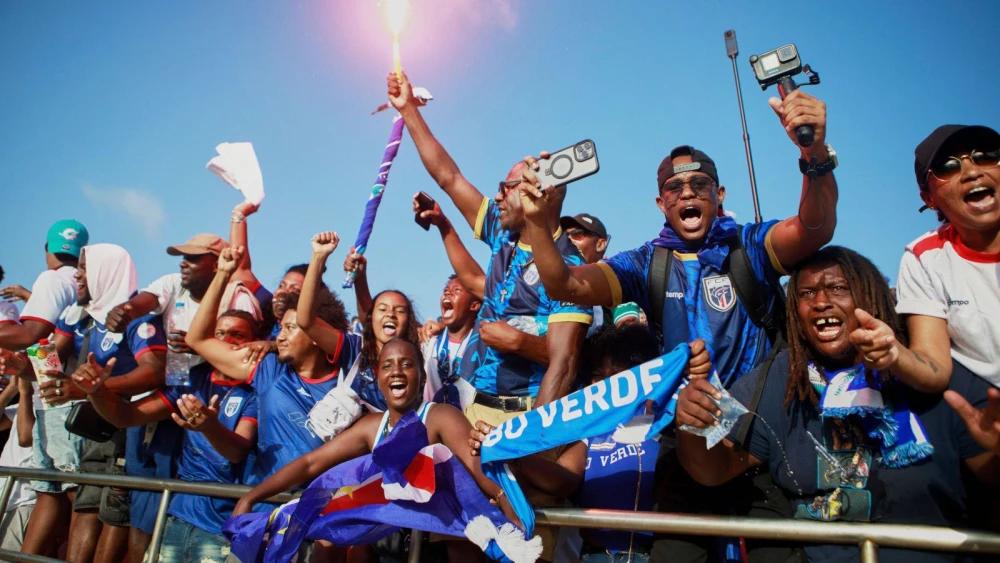
Every World Cup seemed to bring the same question: When will the continent finally fulfil its promise?
At the 2026 tournament, Africa delivered its most convincing answer yet.
The expansion to 48 teams undoubtedly created more opportunities, with CAF receiving a record 10 places. Critics inevitably questioned whether Africa's success would simply be a by-product of having more representatives. The evidence from the tournament suggests otherwise.
Nine of Africa's 10 teams reached the Round of 32, a remarkable 90% progression rate that was the best of any confederation. South America saw five of its six teams advance (83%), Europe 13 of 16 (81%), Concacaf three of six (50%) and Asia just two of nine (22%).
If expansion alone explained Africa's success, every confederation would have enjoyed similar returns. Instead, Africa not only took advantage of its extra places but outperformed the rest of the world in converting qualification into progression.
Collectively, African teams finished the group stage with 10 wins, 10 draws and 10 defeats, averaging four points per nation. Only Tunisia failed to progress, while Morocco, South Africa, Algeria, Ghana, Senegal, Egypt, Cote d'Ivoire, DR Congo and tournament debutants Cape Verde all advanced to the knockout rounds.
The breadth of that success may prove even more significant than the numbers themselves.
Morocco again set the benchmark by reaching the quarterfinals, confirming their run in Qatar was no fluke. Along the way they held five-time champions Brazil to a 1-1 draw and eliminated the Netherlands on penalties before eventually succumbing to France.
South Africa reached the knockout rounds for the first time since hosting the tournament in 2010, underlining the progress made under Hugo Broos and signalling the return of Bafana Bafana as a competitive force on the global stage.
Cape Verde, playing at their first World Cup, emerged as the tournament's biggest surprise package. The island nation of just over half a million people frustrated Spain in a goalless draw, shared four goals with Uruguay in an entertaining 2-2 draw and advanced from arguably the toughest group before pushing defending champions Argentina all the way in a 3-2 Round-of-32 defeat.
DR Congo also reminded the football world of the talent the country has long possessed. Returning to the World Cup for the first time since 1974, they earned an impressive 1-1 draw with Portugal, progressed from a difficult group and then gave England a stern examination in a 2-1 knockout defeat.
Egypt ended a 92-year wait for a first World Cup victory before reaching the Round of 16, where they pushed defending champions Argentina to the limit in a thrilling 3-2 defeat.
Senegal, quarterfinalists in 2002 and Round-of-16 participants four years ago, again reached the knockout stages and continued to demonstrate the consistency that has made them one of Africa's most reliable tournament teams, even if they fell short of another deep run.
Algeria enjoyed their best World Cup since reaching the last 16 in 2014, advancing from the group stage after missing out entirely in 2018 and 2022, a sign that the Desert Foxes are re-establishing themselves among the continent's leading nations.
Cote d'Ivoire, fresh from their remarkable Africa Cup of Nations triumph in 2024, carried that momentum onto the world stage by progressing to the knockout rounds and reinforcing their return as one of Africa's heavyweights.
Ghana may leave North America wondering whether more was possible. A commendable goalless draw with England showcased the Black Stars' organisation and resilience, but a narrow defeat to Colombia in the Round of 32 denied them the opportunity to match the heights of their celebrated 2010 generation.
So why has Africa taken such a significant step forward?
The first reason is belief. Morocco's achievements in 2022 changed perceptions both inside and outside the continent. They proved an African side could compete tactically with the world's best over seven matches rather than relying on emotion, athleticism or the occasional upset. That success became a blueprint rather than an isolated miracle.
The second is coaching. Many African federations have prioritised stability and tactical identity instead of constantly changing managers. Teams looked organised, disciplined and adaptable throughout the tournament, dispelling the outdated stereotype that African football lacks tactical sophistication.
The third is player development. Never before have so many African internationals arrived at a World Cup as established performers at Europe's biggest clubs. The tactical education, professionalism and experience gained in the Premier League, La Liga, Serie A, Bundesliga and Ligue 1 are increasingly evident when players return to represent their countries.
Finally, there is the continent's growing depth. Africa is no longer dependent on one or two traditional heavyweights. The emergence of nations such as Cape Verde, alongside the resurgence of countries like South Africa and Egypt, reflects stronger youth development, better administration and greater investment across the continent.
There remains another hurdle to clear. Despite sending nine teams into the knockout rounds, only Morocco progressed to the quarterfinals, illustrating that converting consistency into genuine title contention remains the next challenge.
But that should not diminish what Africa achieved in North America.
The defining statistic of the 2026 World Cup is not that CAF had 10 representatives.
It is that 90% of them justified being there.
For decades, African football argued it deserved more opportunities on the global stage. At this World Cup, it demonstrated those opportunities were not acts of generosity but recognition of a continent whose football has evolved in quality, depth and belief.
The underdog narrative no longer fits.
Africa has moved from promise to power, and after its strongest collective World Cup performance in history, the rest of the football world can no longer afford to see its success as an exception. It is becoming the expectation.
Orlando Pirates head coach Abdeslam Ouaddou has heaped praise on defender Lebone Seema's work ethic following his maiden call-up to the Bafana Bafana squad.
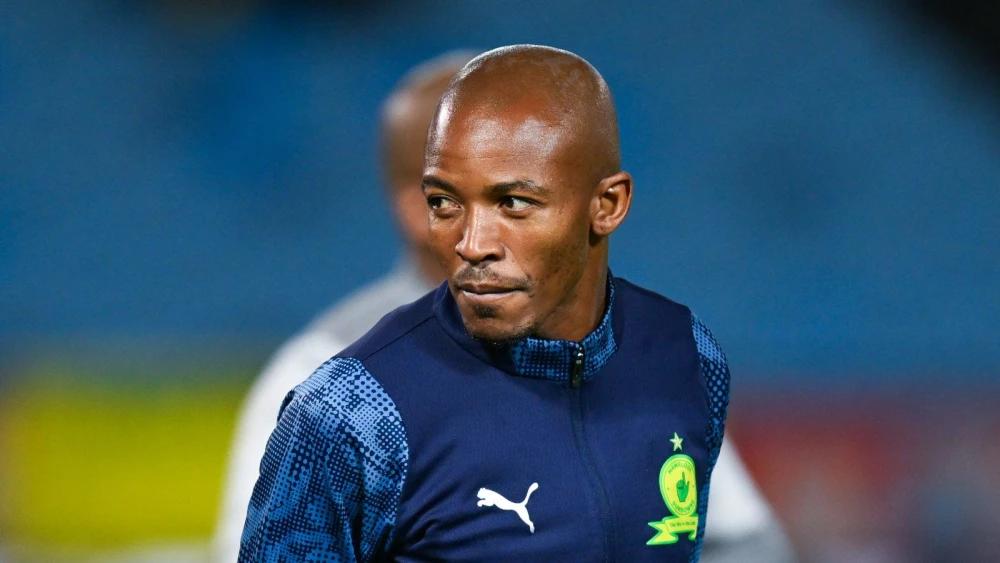
Mamelodi Sundowns right-back Thapelo Morena could not hide his excitement after being included in Pitso Mosimane's 30-member Bafana Bafana squad for the upcoming AFCON 2027 qualifiers.
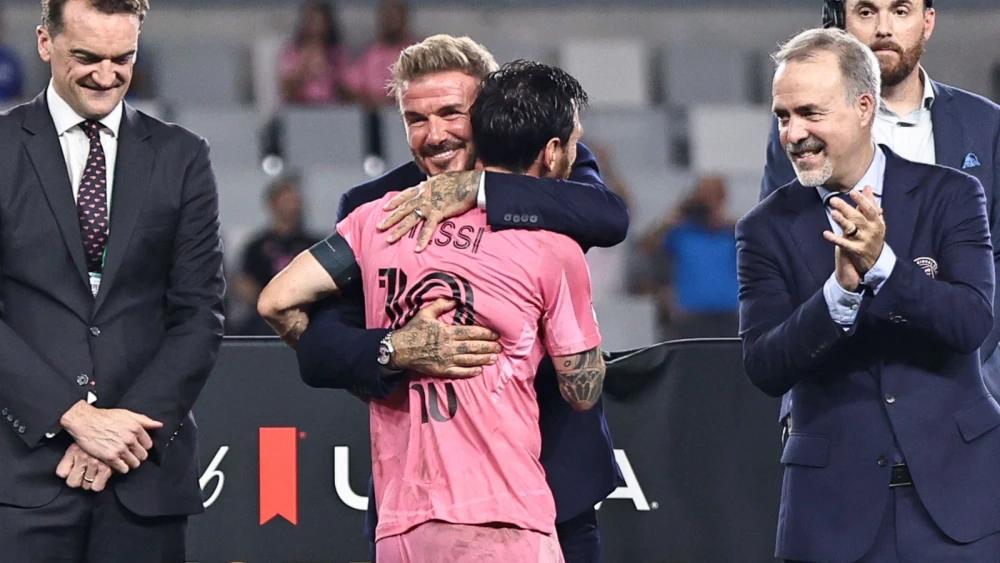
David Beckham believes Lionel Messi should claim a record ninth Ballon d'Or, despite Harry Kane being among the leading contenders for the prestigious individual award.
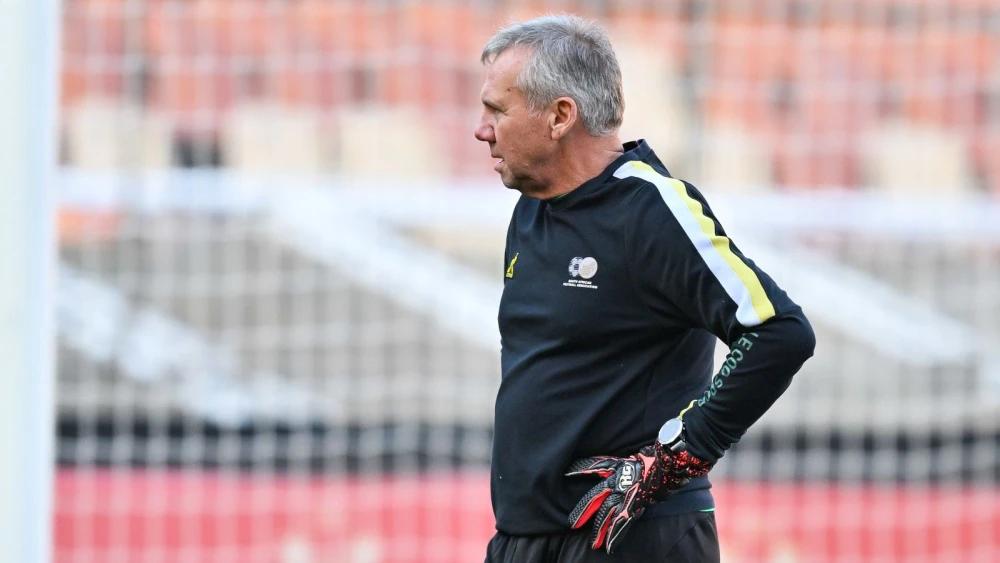
Bafana Bafana head coach Pitso Mosimane says he is still working to fill the vacant goalkeeper coach role within the South African national team.