Renard joins Super Eagles coach Eric Chelle and Democratic Republic of Congo tactician Sebastien Desabre in opposing the move to a four-year cycle, which the Confederation of African Football (CAF) announced in December 2025.
The decision sparked debate among football stakeholders, with concerns that the longer interval could reduce opportunities for African national teams to compete at the continent's biggest football tournament.
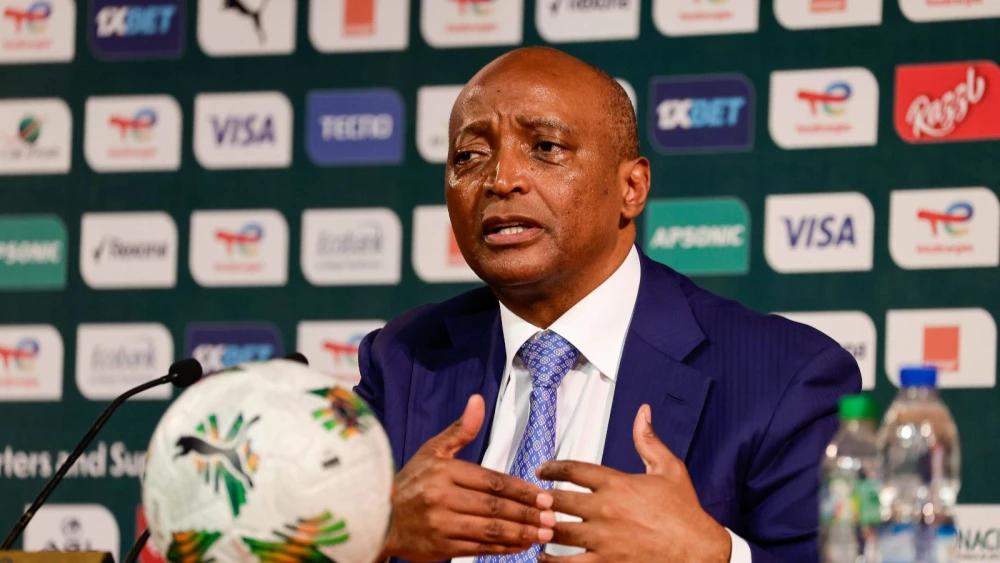
CAF president Patrice Motsepe has since suggested that the decision could be reconsidered, with a proposal to restore the biennial format expected to be discussed at the organisation's Ordinary General Assembly in Abuja on November 21.
Renard believes the tournament should continue to be staged every two years, maintaining the tradition that has defined AFCON for decades.
"I think returning to holding the Africa Cup of Nations every two years is excellent, and that the tournament should continue as it was in the past," Renard told Afrik-Foot.
"Holding the tournament every four years is far too long in my view, but that is my personal opinion."
Chelle previously expressed similar sentiments, arguing that regular participation in major continental competitions is essential for the development of African football.
The Franco-Malian, who coached Mali at the 2023 AFCON before taking charge of Nigeria at the 2025 tournament, believes a biennial competition would give teams more opportunities to improve.
"For me, it's perfect because when you want to improve, having one tournament every four years is difficult. So, having a tournament every two years now is perfect, so we can continue to improve," he said.
"We can grow together; we will play two big tournaments instead of the other nations playing one tournament."
Chelle also highlighted the potential benefits of hosting AFCON more frequently, including increased tourism, business opportunities and revenue for host countries. He believes regular continental competition could help African nations prepare for the FIFA World Cup.
Meanwhile, CAF's restructuring plans also included the cancellation of the African Nations Championship, which is reserved for home-based players, with the governing body citing concerns about the competition's economic viability.